Not all Forests are Created Equal
Could a revamped carbon forestrymarket restore biodiversity?

Carbon forestry is a significant – and growing – market. Last year, a record 191,000 hectares of land was added to Aotearoa, New Zealand’s compliance market, the Emissions Trading Scheme (ETS) – bringing it to a total of 540,000 hectares. It’s a move that signals a significant increase in the number of forests being planted to sequester carbon.
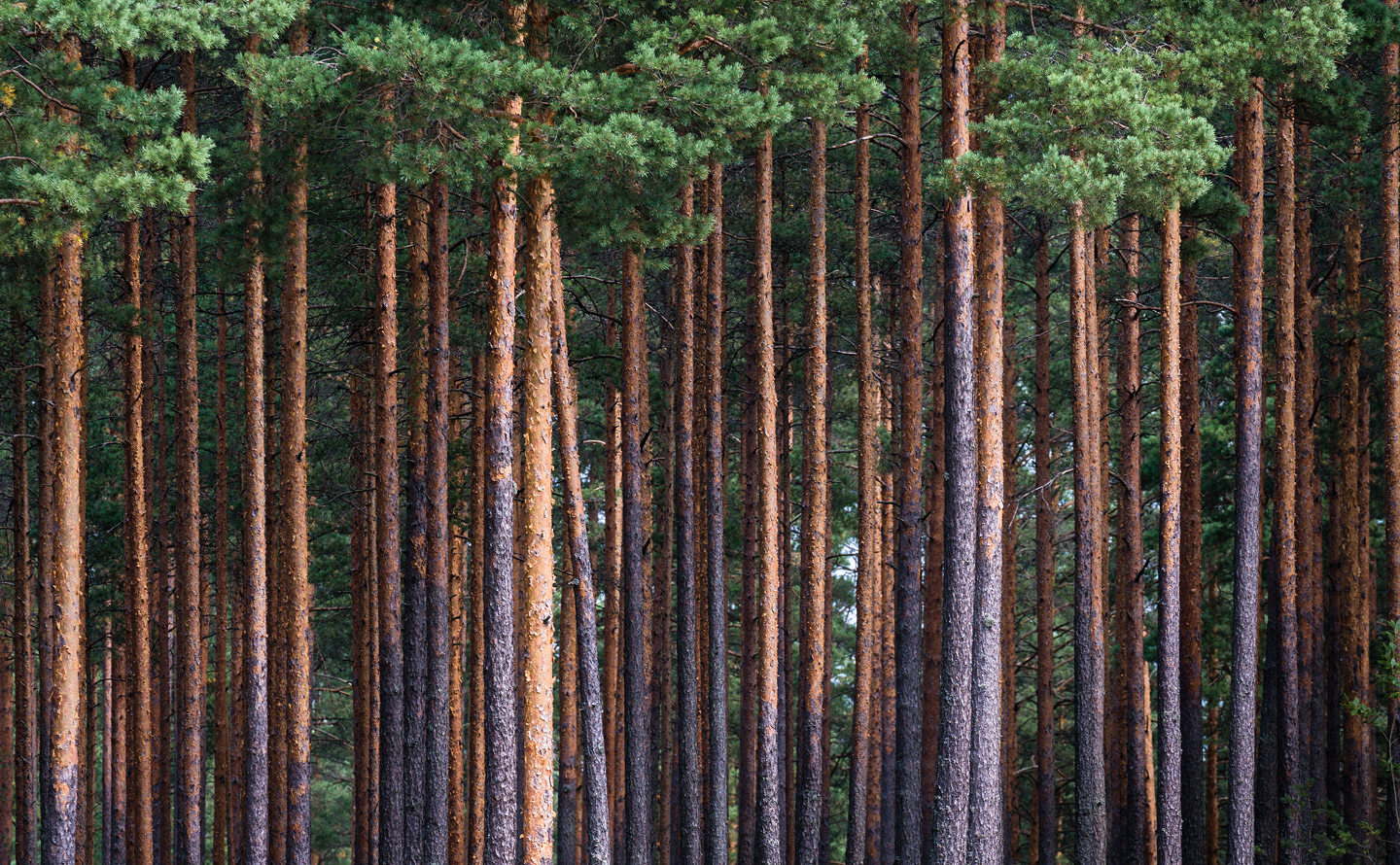
This leap in permits could be perceived as a positive step in meeting our climate ambitions. However, alarm bells start to ring when you consider whatis being planted.Historically in Aotearoa, New Zealand, around 90% of plantation forests are planted with a single, non-native species – Pinus radiata. Often these forests serve a dual purpose, providing raw building materials as well as helping to sequester carbon as rotational pine plantations.However, an increasingly large proportion of land is now being used to plant permanent pine forests. These non-native plantations help to reduce atmospheric emissions, but they have minimal broader environmental benefits.
“Biodiverse native forests on the other handare a win for both the atmosphere and theenvironment. They outperform single-speciesforests in long-term carbon storage, overtakingfast-growing species like pine at around 30years for Northern Broadleaf forests.It’s in these extended time frames that nativespecies come into their own, with manyAotearoa, New Zealand trees living for wellover 500 years, and some for over 1,500.”
Native & Biodiverse Forests
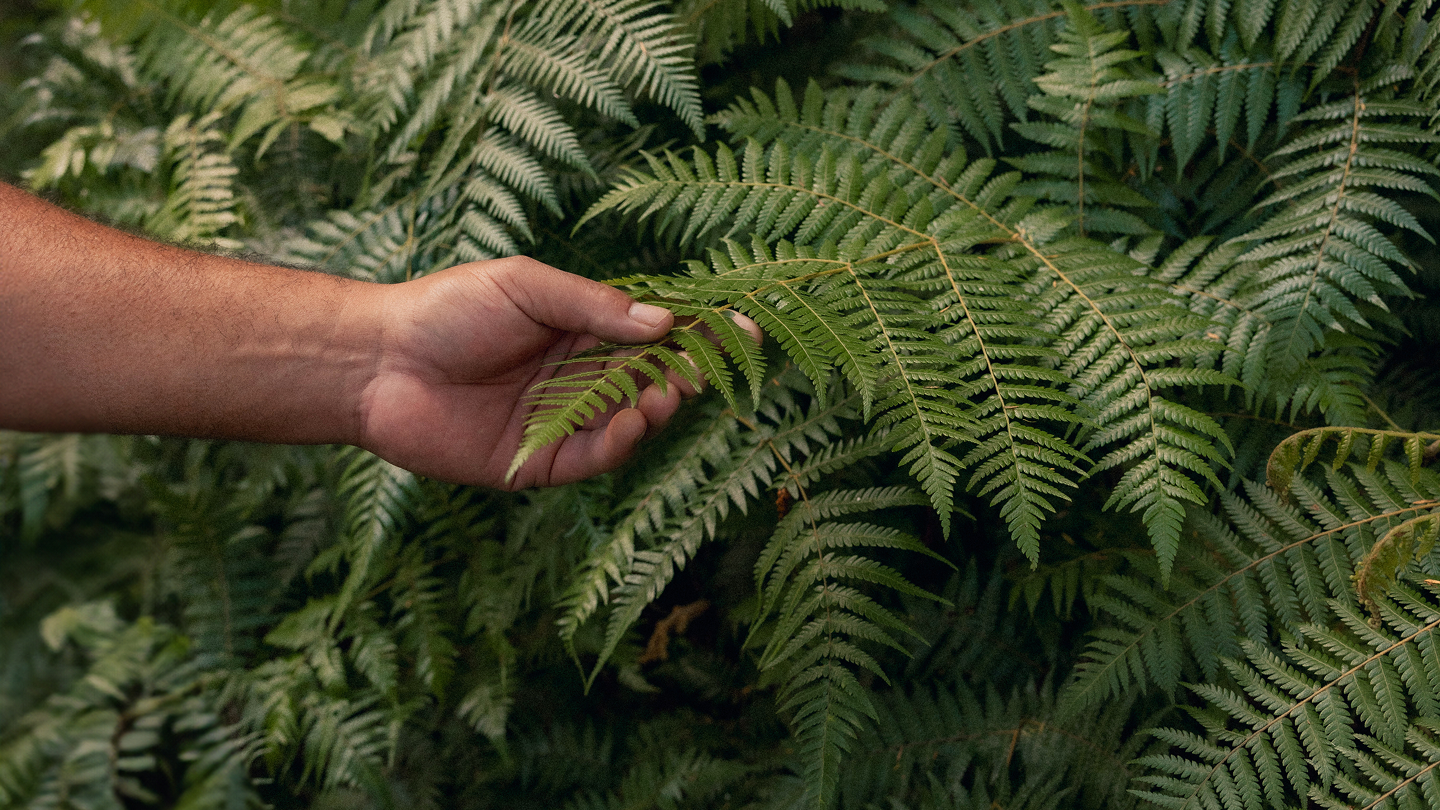
In biodiverse forests, it’s not just the large foundational trees that capture carbon. Vegetation spreads out from their focal points and the species that live in and around the forest all contribute to improved soil quality. This increases the forest’s carbon sequestration and storage potential.
Unfortunately, thanks to substantially differing establishing costs, short-term market thinking and an over-simplified system for measuring how different species sequester carbon, native and biodiverse forests can’t compete in current markets. Right now, pine plantations offer the greatest financial incentive in carbon forestry, by a significant margin.
The market favours pine for many reasons. As well as sequestering carbon faster, pine plantations are easier to measure and monitor. They’re also an established market, benefiting from well-defined carbon data. The rate at which pine sequesters carbon in different parts of Aotearoa, New Zealand, for example, is available to foresters as part of nine carbon look-up’ tables.This rate (and therefore the number of credits issued) is then applied to all native forests, regardless of the mix of species or where they’re planted.
The situation becomes even more complex when considering larger areas. Plantations and forests over 100 hectares are measured individually rather than relying on the carbon sequestration rates in standard look-up tables. As the pine look-up tables are very conversative, this gives a significant boost – of between 20-60% – to large pine plantations.
Large native forests are measured in a similar way, through several nominated species. Ironically, this can be disadvantageous in the first 30 years, as higher carbon units are granted for fast growing, densely planted manuka and kanuka forests, whereas the initially slower growth of many native cornerstone species brings about lower estimated units.
By contrast, native and biodiverse forests are hindered by over-simplified data. The rate at which native forests sequester carbon for example, is based on only two species, manuka and kanuka at one location point within Aotearoa, New Zealand.
The potential of active forest management
Active forest management, particularly for standing native forests, is another opportunityto ensure optimal rates of carbon sequestration. Native biodiverse forests are especially attractive to introduced pests like possums, rats and stoats – all of which havea devastating impact on local biodiversity and carbon sequestration.
For example, each brushtail possum reduces a forest’s ability to sequester carbon by about 1% per hectare. The impact can be put into context by the fact that Tahi, a remote eco-reserve in Northland, Aotearoa, New Zealand, had an average of 10 possums per hectare. Incentivising active management maximises a forest’s carbon sequestration potentialand mitigates the higher upfront costs of planting and maintaining native and biodiverse forests.